





 About Us








Monti Guide: Rome's trendiest neighborhood
In Rome, a Rione is a historic district or neighborhood. The city is divided into 22 Rioni (plural of Rione), each with its own unique vibe, history, and landmarks. Monti is one of these neighborhoods, actually the first Rione, and it's definitely one of the trendiest and most beloved by both locals and visitors.
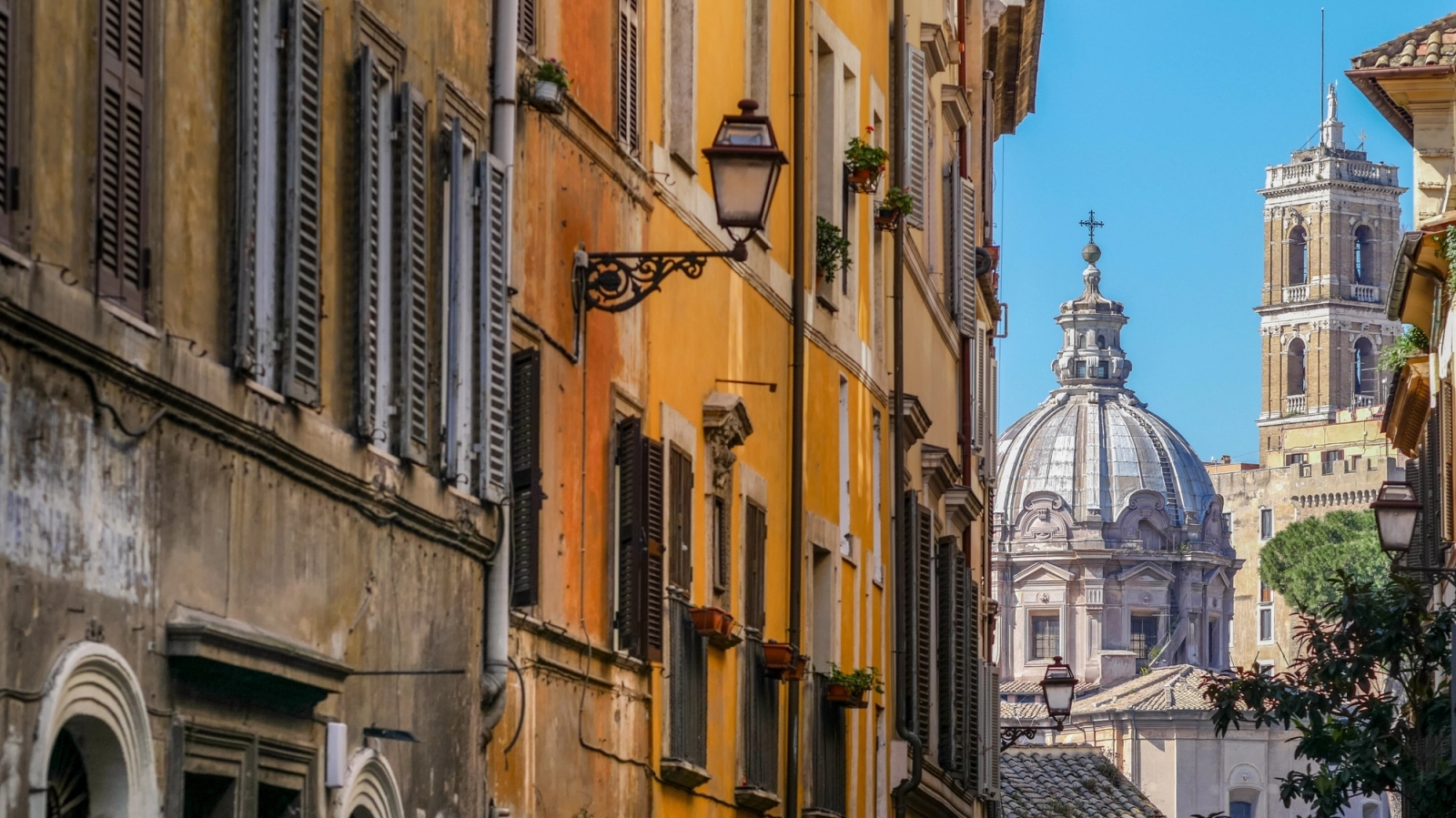
Monti’s History
The name Monti comes from the Italian word for "mountain," referring to the area’s hilly nature. Historically, the term "Monti" was used in the Middle Ages to describe a vast and largely uninhabited zone that included the Esquilino, Viminale and parts of Quirinale and Celio Hill.
However, it was during Ancient Rome that this area was known as the Suburra. The Suburra was famous (or infamous!) for being the center of Roman vice, bustling with taverns, theaters, and a lively, often rowdy population. It was also notorious for its close connections to the city's criminal underworld.
Today, Monti combines the best of both worlds - peaceful cobblestone streets, cozy cafes and hidden gems, all while still maintaining the bohemian spirit of its ancient past. It's where history meets the present and there’s no better place to feel the pulse of real Roman life.
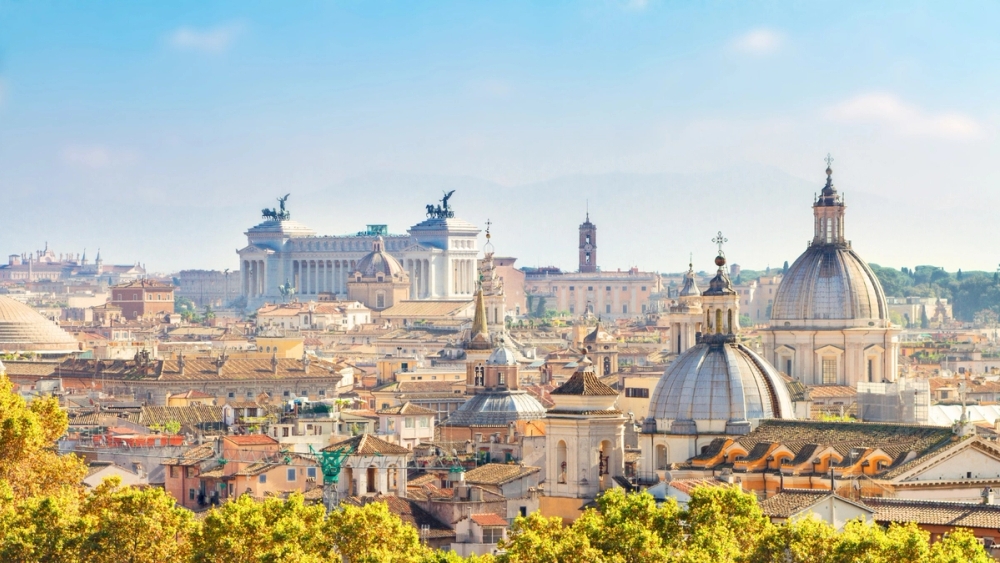
Monti: Rome's best Rione
Monti is one of Rome's most charming and historically significant neighborhoods, located right in the heart of the city. Steeped in history and brimming with character, it’s the perfect blend of ancient Roman roots and modern Roman life. But before we dive into what makes this area so special, let’s start with a little bit of context.
How to get to Monti
Getting to Monti is easy, whether you’re coming from the Colosseum, Termini Station, or any central Rome location. It’s just a short walk from the Colosseum metro station, or you can catch a bus and be there in no time.
Our Local Tip: Cavour, Repubblica or Vittorio Emanuele metro stations are your best bet for getting to Monti quickly from anywhere in the city. It’s just a few stops from Termini (central station) and only a short walk from major attractions!
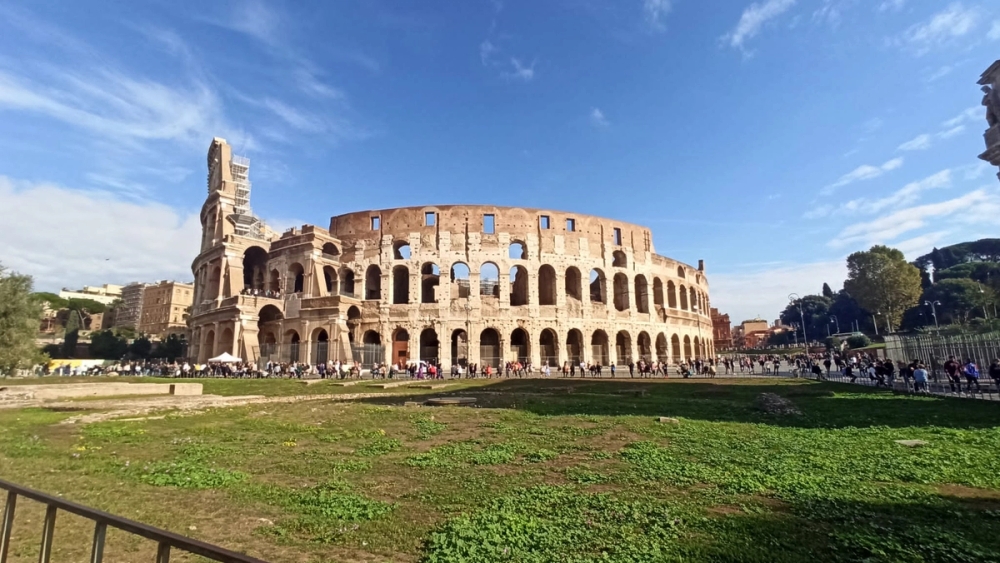
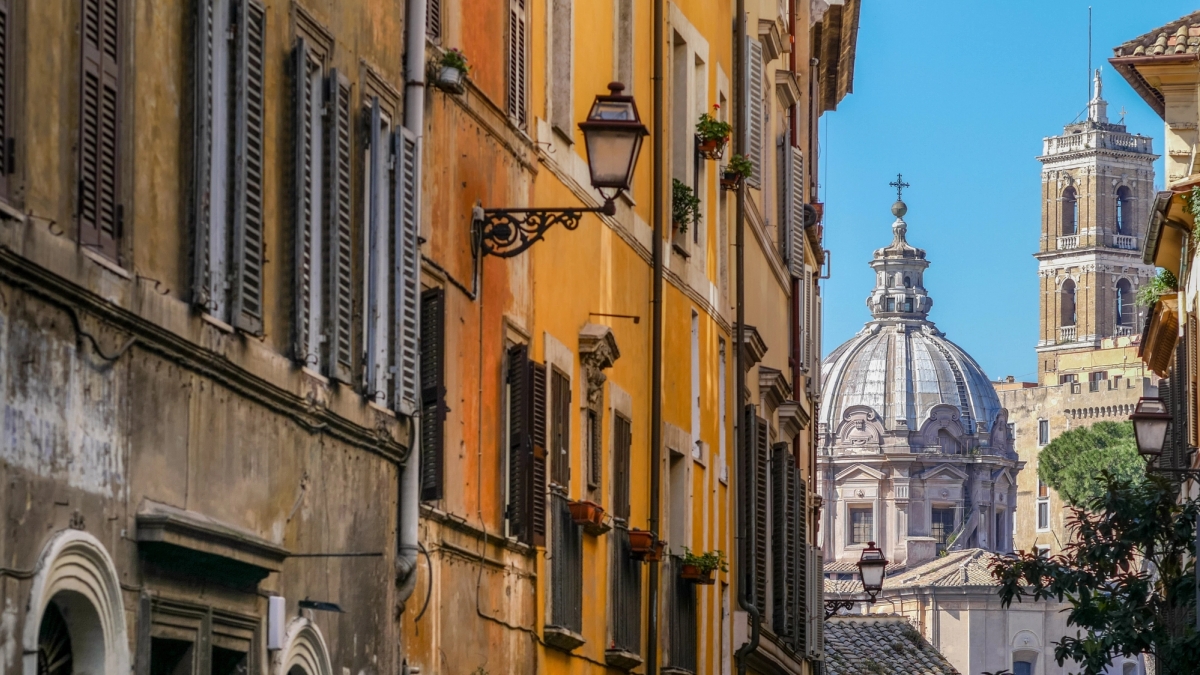
Top things to see in Monti Rome
Start with the classics! Monti is ideally located near some of Rome’s most famous landmarks, so you’re just a short stroll away from many of the city’s iconic attractions. Here are the top sites you can’t miss while you’re in the neighborhood:
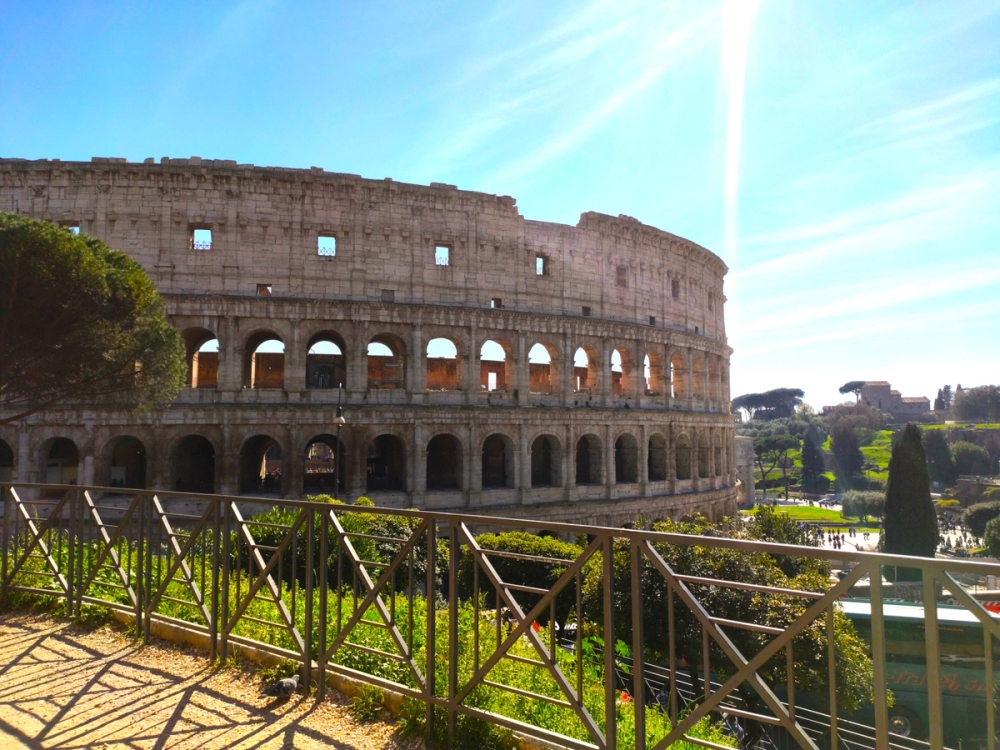
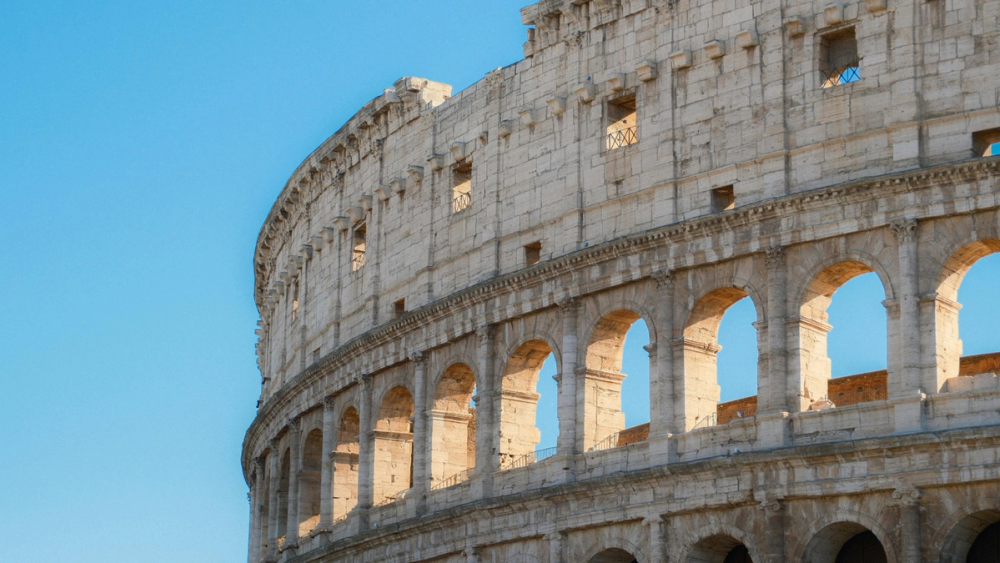
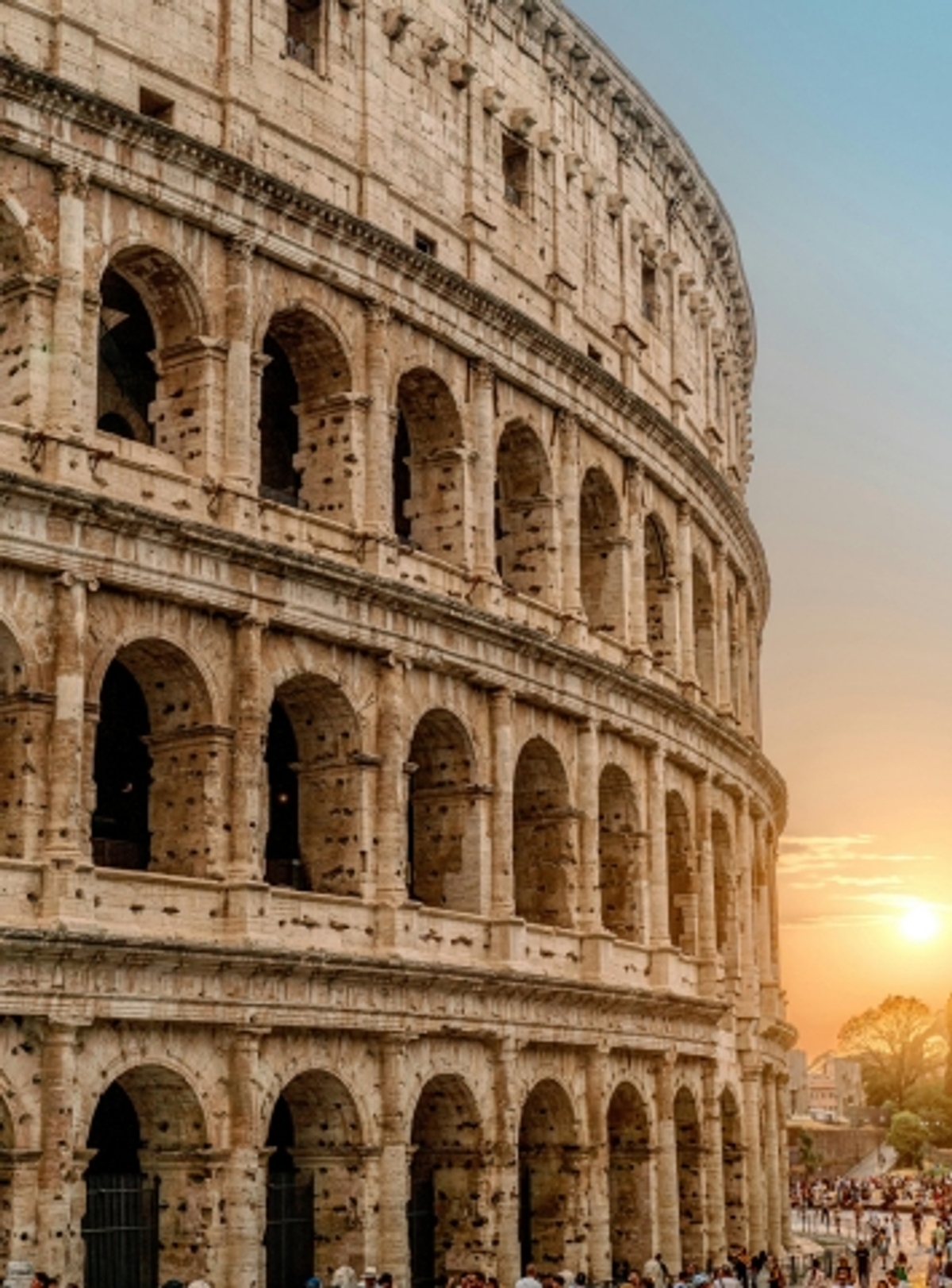
- Colosseum: No trip to Rome is complete without visiting the Colosseum, the city's most iconic landmark. This ancient amphitheater, where gladiators once fought, offers a fascinating glimpse into Rome’s history. It’s a must-see for any visitor to the Eternal City.
- Roman Forum and Palatine Hill: Just next to the Colosseum, the Roman Forum and Palatine Hill were once the center of Roman political, religious, and social life. The Forum is filled with ancient temples, basilicas, and government buildings, while Palatine Hill offers some of the best panoramic views of Rome, making it one of the most scenic spots in the city.
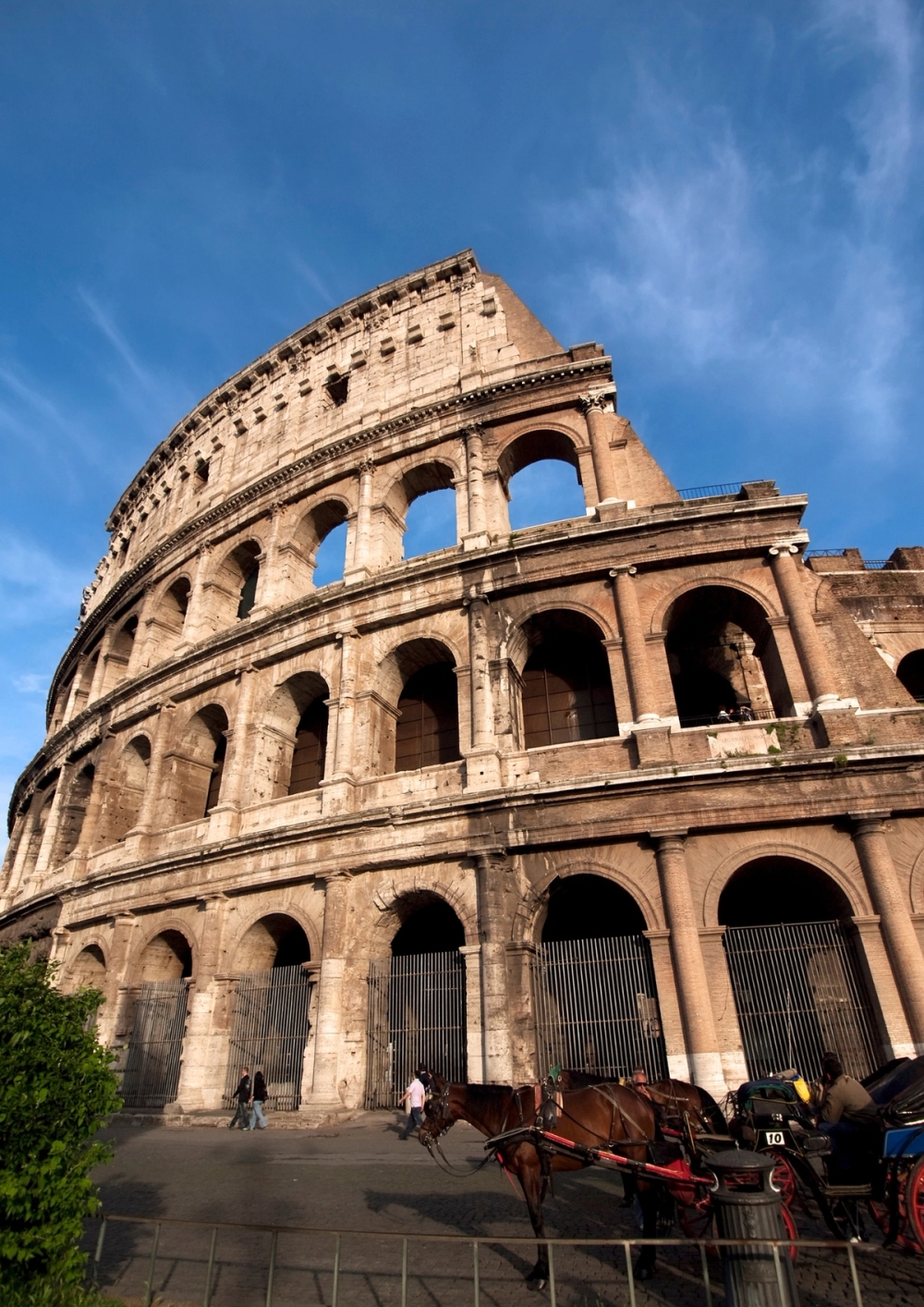
Our Local Tip
To truly experience the depth of these iconic landmarks, we recommend our guided tour, which includes skip-the-line access to the Colosseum, Roman Forum, and Palatine Hill. Our expert guides will bring the rich history of these sites to life, offering fascinating insights you wouldn’t get on your own. Skip the long queues and enjoy a more personal and in-depth experience. For more details and to book your tour, visit our Colosseum, Roman Forum, and Palatine Hill semi-private guided tour.
- Trajan's Market: often wrongly referred as the world’s oldest shopping mall, this historic complex gives you insight into Roman burocracy. This "multi-functional center" once served as a bustling hub for administrative activities.
- Quirinale: the Quirinale, home to the President of Italy, is a must-see for enjoy panoramic views from his terrace. Our Local Tip: nearby, you can also visit Scuderia Quirinale, a space that houses fascinating art exhibitions throughout the year.
- Basilica di San Giovanni in Laterano: as one of Rome's four papal basilicas, San Giovanni in Laterano is also considered the cathedral of Rome. The church is a masterpiece of Baroque architecture, with an impressive façade and interior. Our Local Tip: don’t forget to visit the Holy Stairs, which are located just across from the basilica.
- Basilica di Santa Maria Maggiore: is Rome's second papal basilica. Unlike other churches, it has managed to preserve its early paleochristian structure, making it unique. The church is also known for its beautiful medieval mosaics or the Sistine Chapel and the Paoline Chapel.
- San Clemente church: one of Rome’s most fascinating churches, built on top of two earlier buildings. It offers a rare opportunity to explore Rome’s layered past, especially its Mithraeum, a sacred space used by ancient Roman followers of the god Mithras. The site provides an extraordinary historical experience, from its early Christian origins.
Where to Eat in Monti
The Monti district is one of the most authentic and atmospheric areas in Rome. Located just a short walk from the Colosseum, this historic neighborhood is famous for its cobblestone streets, artisan boutiques, wine bars, and incredible food scene.
Whether you are looking for a traditional Roman trattoria, a modern Italian restaurant, street food, or the perfect dessert after dinner, Monti offers some of the best dining experiences in the city.
Here is our guide to the best places to eat in Monti — including where to enjoy dessert and gelato after your meal.
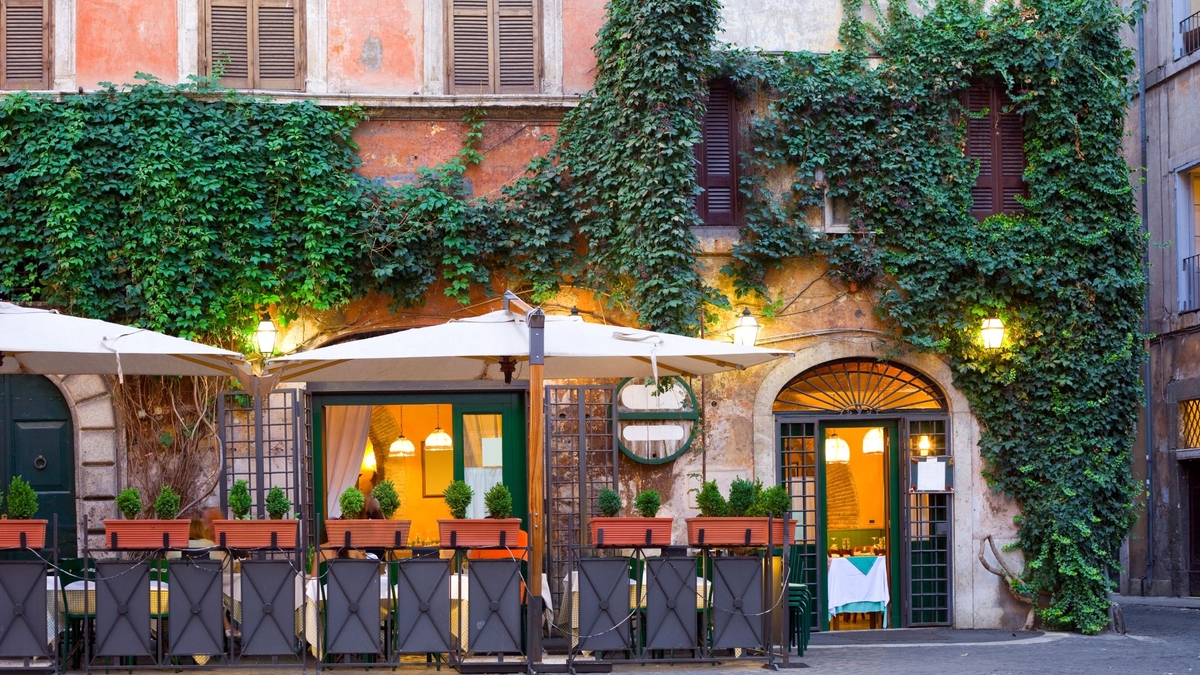
Best Traditional Roman Restaurants in Monti
If you want to try authentic Roman cuisine such as carbonara, cacio e pepe, amatriciana, and saltimbocca, these restaurants are among the best choices in the neighborhood.
Trattoria Monti
One of the most famous trattorias in Rome, known for homemade pasta and a mix of Roman and Marche-region cuisine. Their egg-yolk ravioli with truffle has become iconic. The atmosphere is warm, traditional, and very local, so booking in advance is highly recommended.
Trattoria Valentino
A classic Roman trattoria loved by both locals and visitors. Expect generous portions, authentic recipes, and a relaxed atmosphere. Their carbonara and amatriciana are among the most requested dishes.
Al Tettarello
A lively and traditional restaurant serving classic Roman specialties. Perfect for travelers looking for an authentic dinner experience near the Colosseum without sacrificing quality.
La Vecchia Roma
Known for its rustic atmosphere and excellent pasta dishes, this is one of the most popular restaurants in the area for traditional Roman food at reasonable prices.
L’Oste del Boschetto
Elegant but relaxed, this restaurant is ideal for a romantic dinner or a special evening. Seasonal ingredients, refined Roman dishes, and an excellent wine selection make it one of the best modern dining spots in Monti.
Sciuè Sciuè Cucina
A cozy restaurant combining Roman and Southern Italian flavors with a modern touch. The intimate setting and carefully prepared dishes make it a great option for food lovers.
Osteria Al Vicolo 9
Located in one of Monti’s most picturesque streets, this osteria offers a more refined dining experience while still maintaining the warmth of traditional Italian hospitality.
Best Street Food and Casual Lunch Spots
If you prefer something quick and delicious while exploring Rome, Monti has plenty of excellent casual options.
Fuorinorma
Famous for gourmet sandwiches made with top-quality Italian ingredients. Perfect for a quick lunch between sightseeing stops.
al42 by Pasta Chef
Fresh pasta prepared in front of you with your choice of sauce. Fast, affordable, and incredibly satisfying.
Dar Bruttone Rione Monti
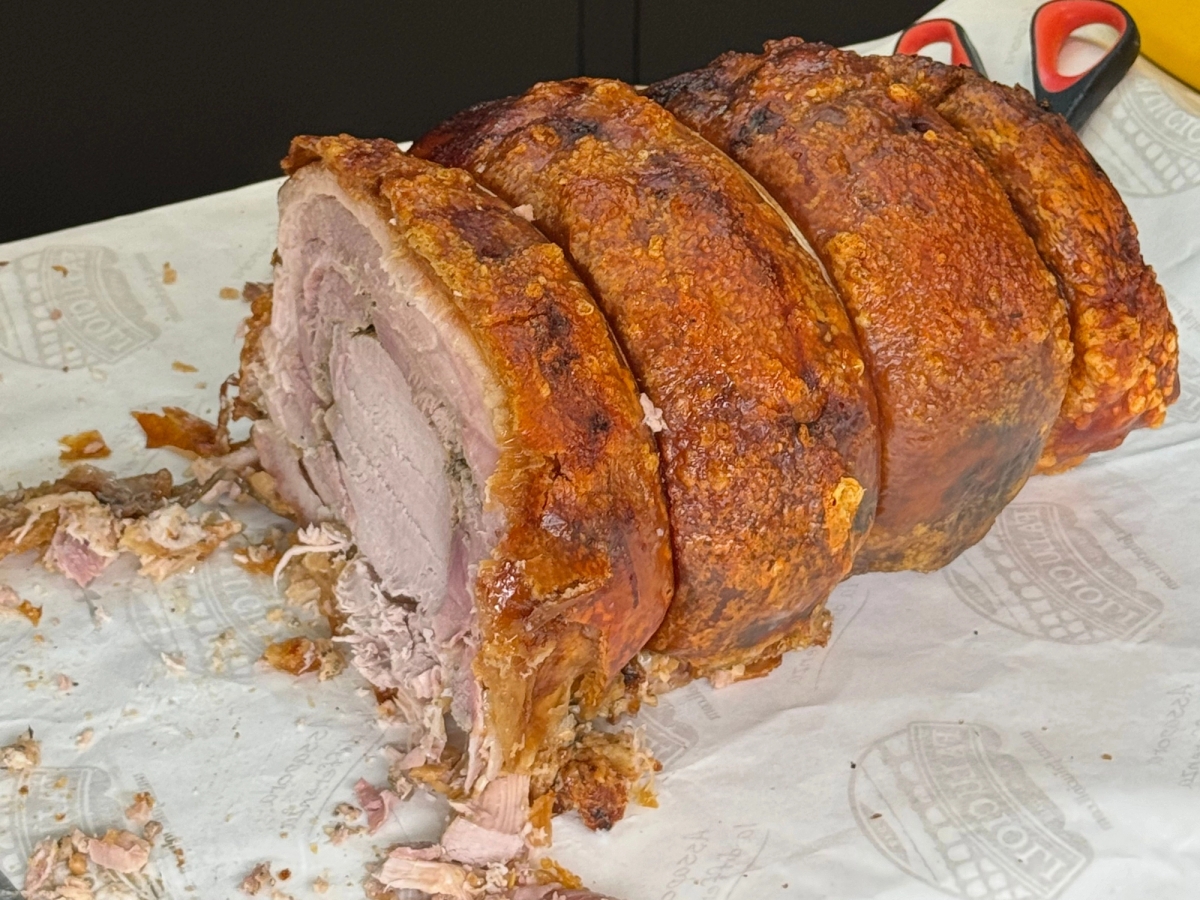
A modern take on Roman street food with excellent supplì, fried specialties, and traditional pasta dishes.
Best Dessert and Gelato Spots in Monti
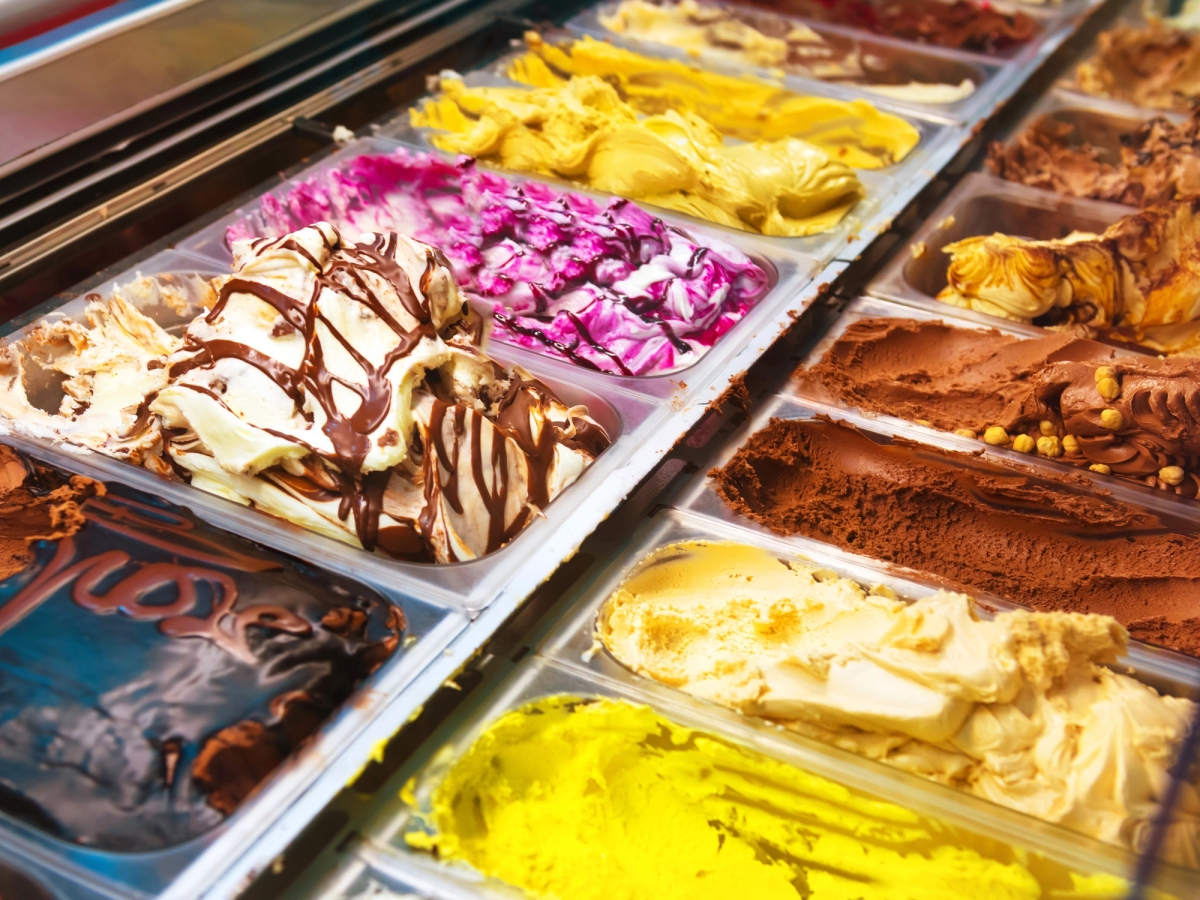
No dinner in Rome is complete without dessert. Fortunately, Monti is home to some fantastic pastry shops, tiramisu spots, and gelaterias.
Fatamorgana Monti
One of Rome’s most creative gelato shops, famous for unique flavors made with natural ingredients. Great for travelers looking for artisanal Italian gelato beyond the classic tourist options.
Grezzo Raw Chocolate
A unique dessert shop specializing in raw chocolate, vegan pastries, and healthier sweets without refined sugar. Perfect for those looking for something different.
Pasticceria Regoli
One of the oldest and most beloved pastry shops near Monti. Famous for maritozzo with cream, cannoli, and traditional Italian pastries.
Gelateria dell’Angeletto
A small hidden gelateria loved by locals for authentic flavors and creamy texture. Ideal after dinner while walking through the quiet streets of Monti.
Two Sizes
Although slightly outside Monti, this spot is famous across Rome for mini tiramisu served in different flavors. A perfect dessert stop after an evening walk in the city center.

Join our Private Colosseum Tour
Enter the Colosseum with skip-the-line tickets and enjoy a 3-hour private, storytelling-filled visit.
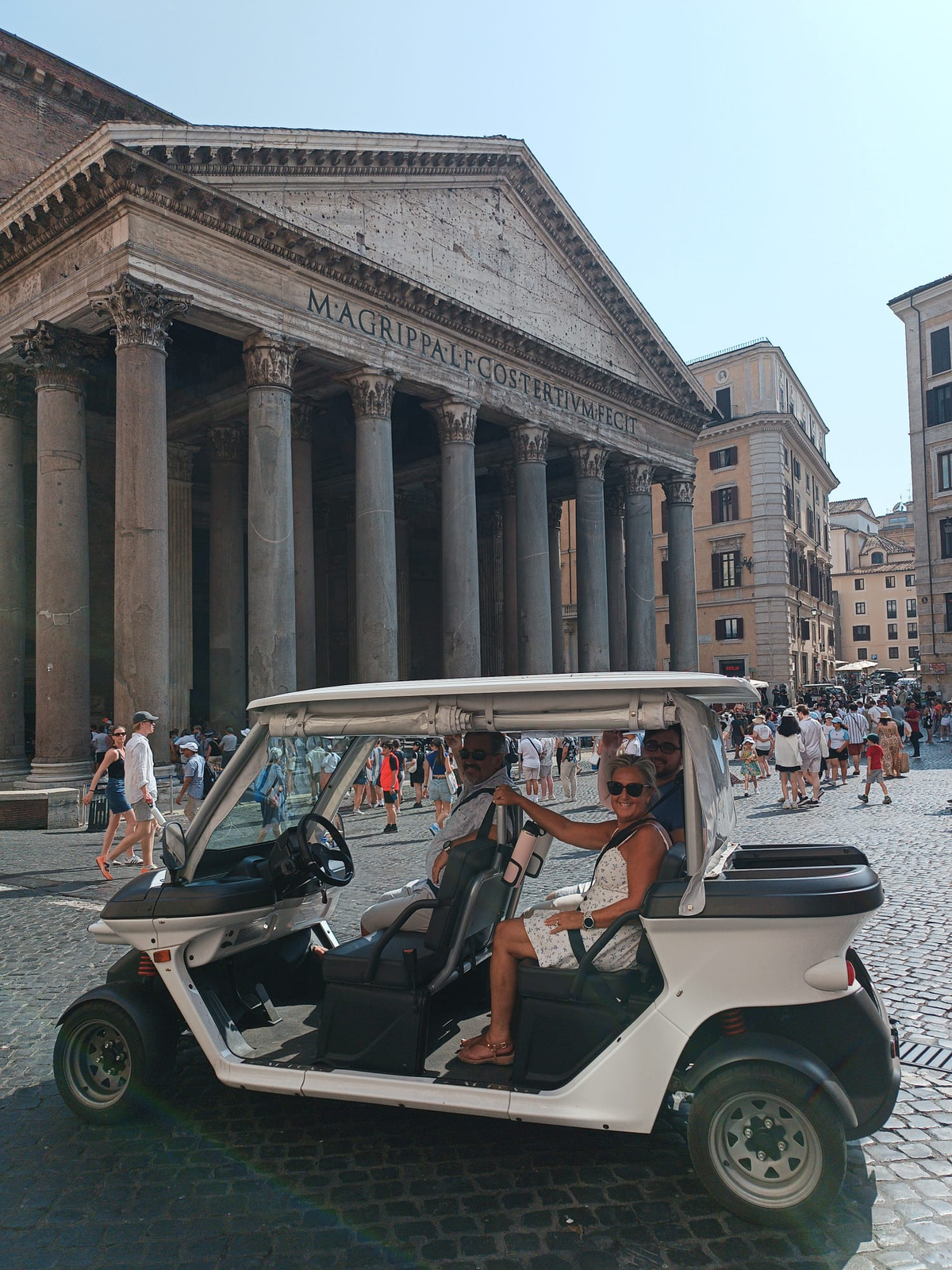
Effortless Exploration
Skip long walks and crowded routes — enjoy smooth travel and front-row views of the city’s beauty from the comfort of your private golf cart
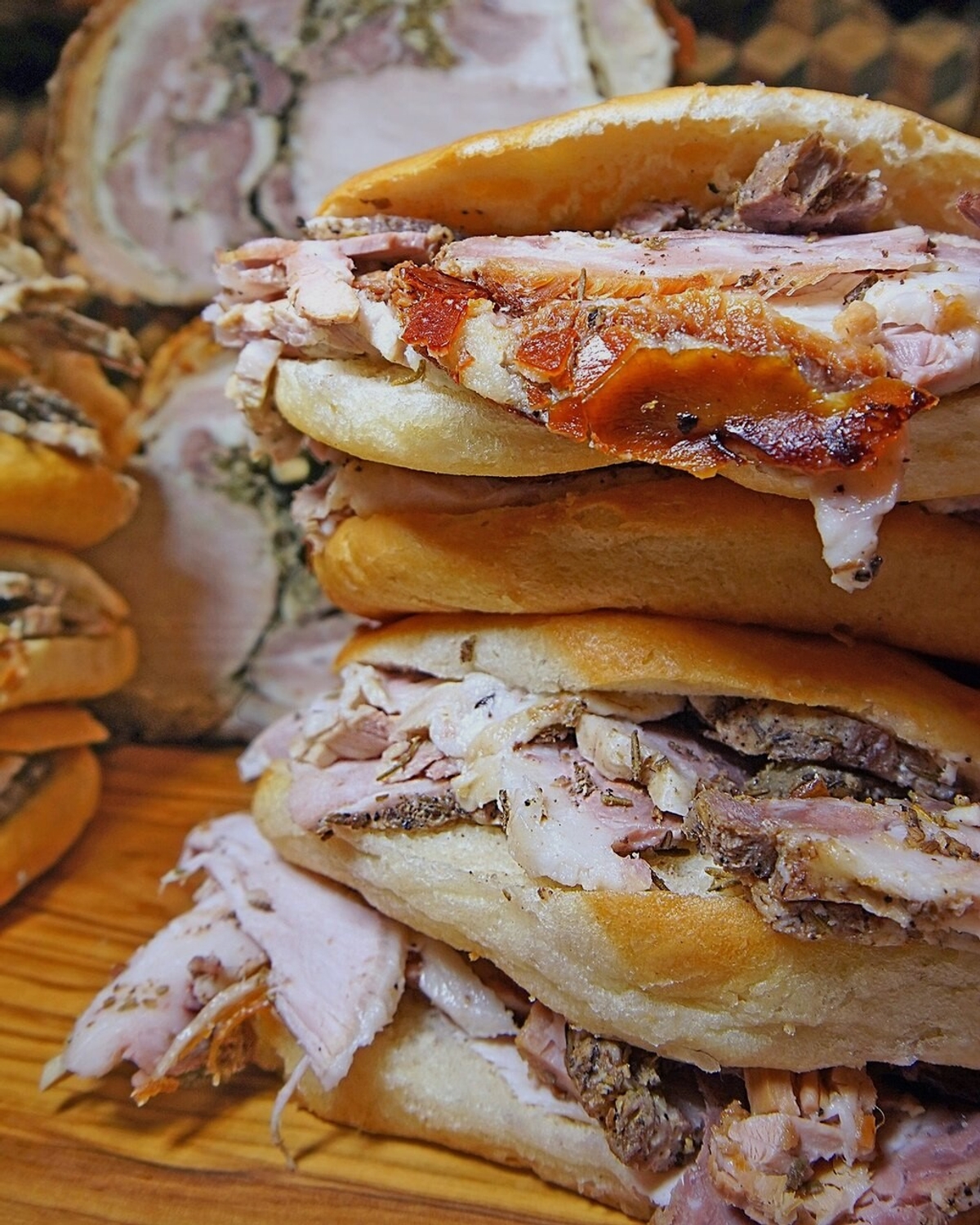
Roman Street Food
Follow a Rome street food tour in Monti, tasting bold local flavors and everyday bites loved by real Romans.

— FAQ
How long does it take to explore the historic centre on foot?

you can walk from the Pantheon to Piazza Navona in under 5 minutes, and from the Trevi Fountain to the Pantheon in about 10. For a full loop that includes Campo de' Fiori, the Jewish Ghetto and the Capitoline Hill, allow at least 4–5 hours of relaxed walking with stops. If you are short on time and want to cover as much ground as possible without missing anything, our golf kart tour of the historic centre is the perfect solution — a fun, effortless way to see all the highlights with a local guide, covering in 3 hours what would otherwise take a full day on foot.
Do you have to pay to enter the main churches and museums?
Many of Rome's most beautiful churches — including Sant'Ignazio, San Luigi dei Francesi and the Chiesa del Gesù — are free to enter or ask for a small voluntary contribution. The Pantheon requires an entrance ticket. Major museums such as the Vatican Museums and the Colosseum are paid attractions and require advance booking.
Is it better to visit Rome with a guide or independently?
It depends on what you're looking for. On your own you can move at your own pace and stumble upon hidden corners, but you risk missing the historical context behind every building and fountain. With a local guide — especially for sites like the Colosseum, the Roman Forum and the Vatican Museums — the added value is enormous.
What are the most authentic neighbourhoods to visit in Rome?
Monti is Rome's bohemian neighbourhood par excellence, with artisan shops, wine bars and a lively local community. Trastevere still preserves the authentic popular soul of Rome, especially in the morning hours before the tourists arrive. The Jewish Ghetto offers a unique historical layering, with Roman-Jewish cuisine you absolutely cannot miss. Testaccio is the real Rome — a local market, historic trattorias and not a tourist-trap restaurant in sight.
Is Rome a good destination for families with children?
Absolutely. The Mouth of Truth, the Colosseum, the fountains for coin-tossing and the cats of Largo Argentina are all perfect for younger visitors. Many museums offer family-oriented educational activities. The main tip is to keep itineraries short and build in frequent gelato stops.
Are there free museum entry days in Rome?
Yes. On the first Sunday of each month, Rome's Civic Museums — including the Capitoline Museums — offer free entry. Some churches with extraordinary works of art, such as Santa Maria del Popolo with its Caravaggios and Santa Maria Sopra Minerva, are always free to visit. It is always worth checking before your visit.
How do you get around Rome?
Rome is ideal for walking — most of the historic centre's attractions are reachable on foot. For longer distances, the metro has two main lines (A and B) covering the most important destinations: Colosseum (Colosseo), Vatican (Ottaviano), Spanish Steps (Spagna) and Termini Station (Termini). Trams and buses cover the rest. Always avoid unofficial taxis outside train stations.
— Meet the Author





„
Rione Monti is where the true soul of Rome comes alive: timeless streets, hidden corners, and golden sunsets that whisper stories of centuries past.