











 About Us








Capitoline Museums Private Tour + Vittoriano & Palazzo Venezia

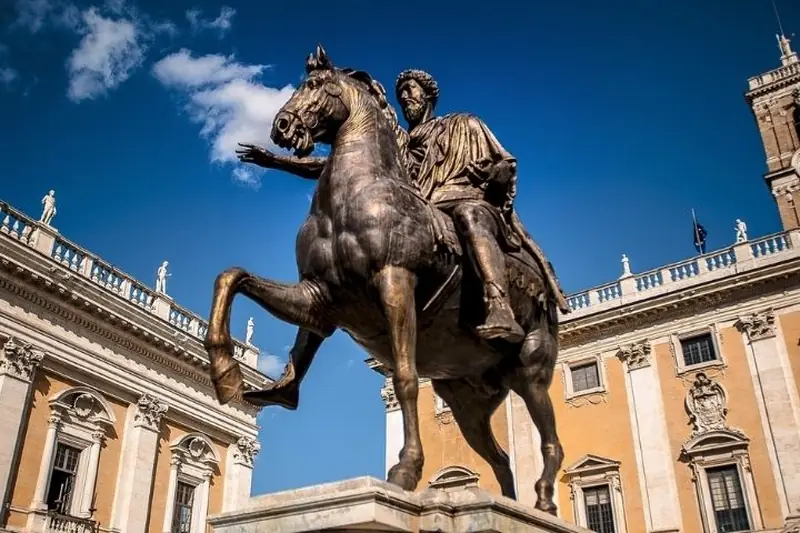
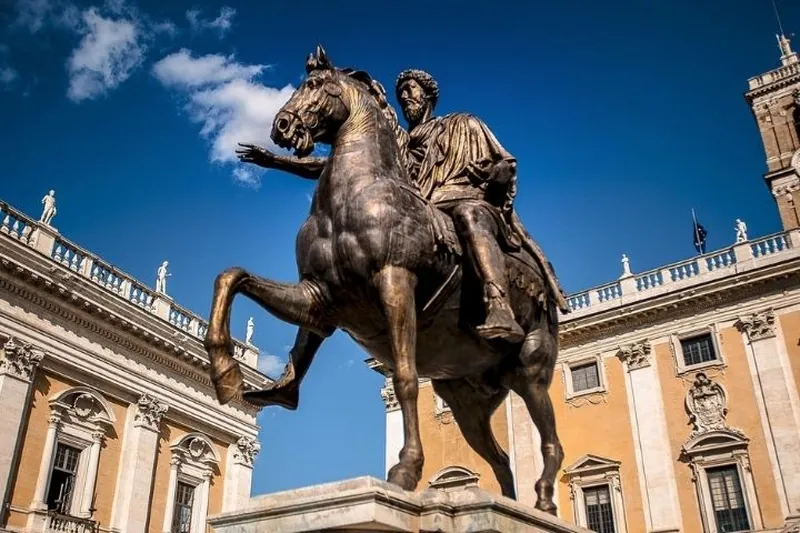
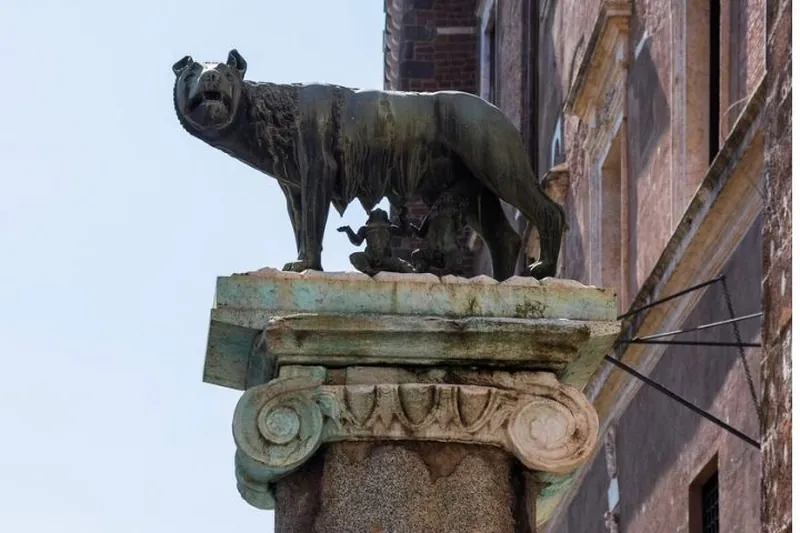
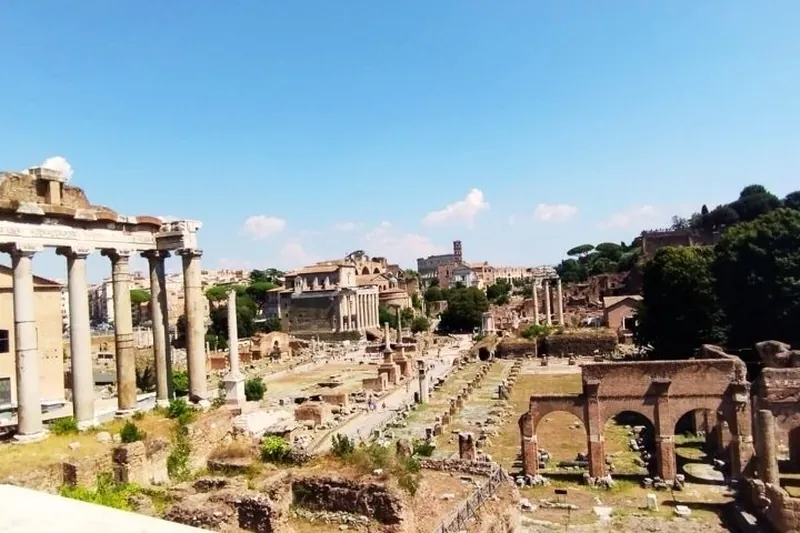
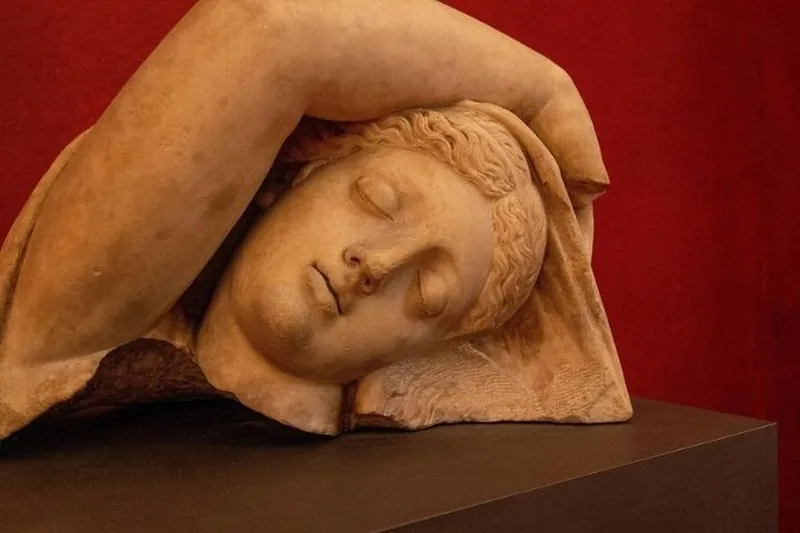
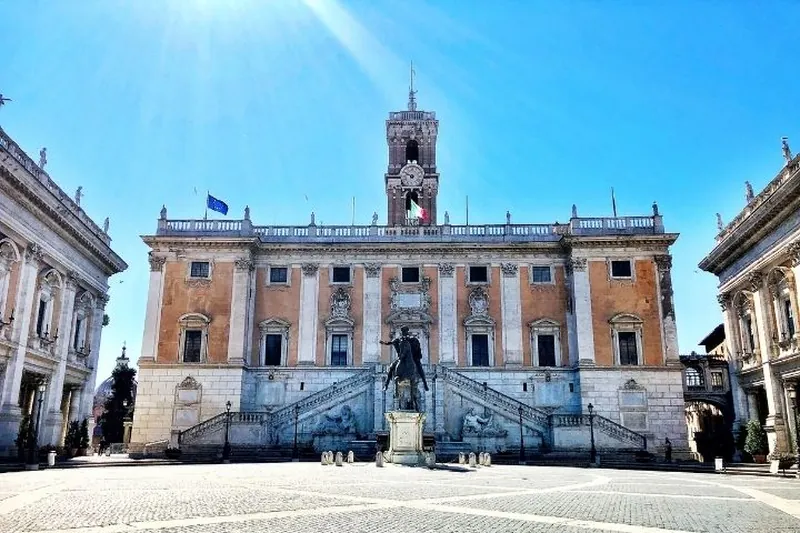
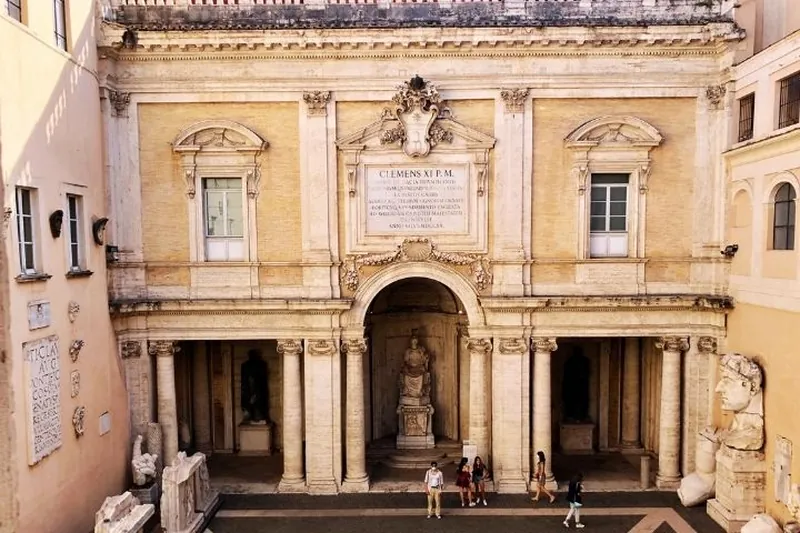
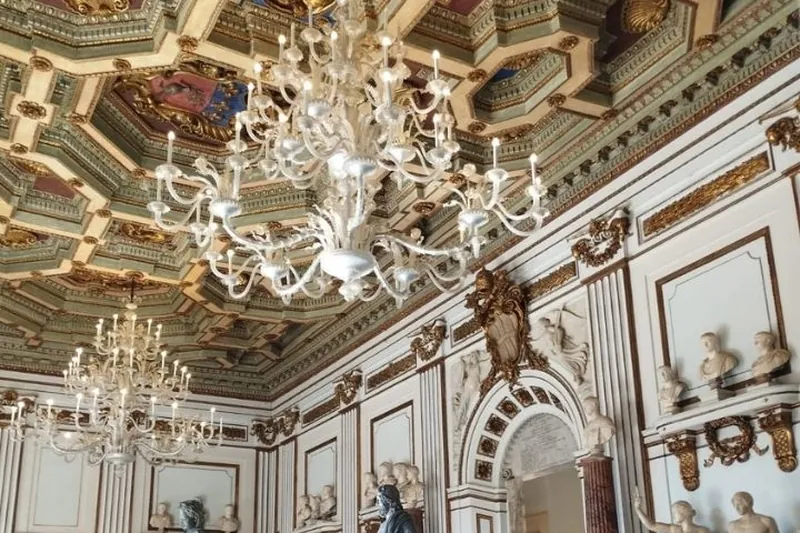
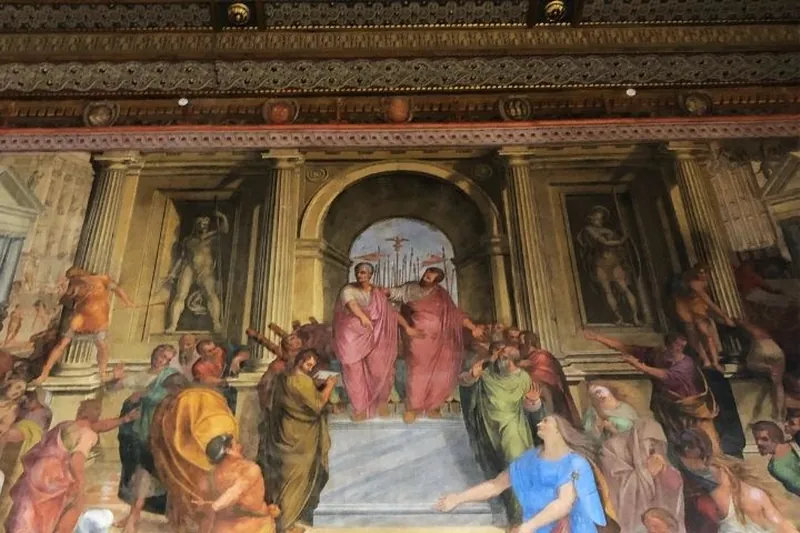


This Private Capitoline Museums Tour brings you to the Capitoline Hill, where the city’s memory is carved in marble and bronze. Walk through the Capitoline Museums’ galleries of emperors and citizens, pausing before icons like the Capitoline Wolf and Marcus Aurelius. Classical statues, inscriptions, and paintings reveal how Rome imagined power, virtue, and everyday life—an intimate encounter with Ancient Rome told through art.
Depending on the option selected, the experience may also include tickets for the Vittoriano Monument with elevator access to the panoramic terrace, and entrance to Palazzo Venezia. These visits are not part of the guided tour and can be enjoyed independently before or after the museum visit.

Travel like a local
Skip the crowds and follow the real rhythm of Rome — our guides take you beyond the postcards.
Feel the City's Heartbeat
From sunrise streets to starlit terraces — discover Rome's true soul, one experience at a time.
Easy, Flexible, Safe
Book in seconds, cancel for free, and enjoy stress-free support before, during, and after your tour.
Handpicked Experiences
Every tour is chosen with care, blending culture, taste, and emotion in one unforgettable journey.
What to Expect
Best of Capitoline Museums Private Guided Tour - where myth, portraiture, and Roman grandeur gather in the noble hush of the Capitoline Hill.
Enjoy a private cultural experience inside the Capitoline Museums in Rome, tracing the spirit of Ancient Rome through sculpture, portraiture, and civic symbols. The narrative centers on icons such as the Capitoline Wolf and Marcus Aurelius, weaving art and identity into the atmosphere of the Capitoline Hill.
The Capitoline as a threshold
Before any artwork, the place itself speaks. The Capitoline Hill is not simply a viewpoint—it is the historic threshold where Rome shaped a moral and political center.
Sculpture as public memory
In the Capitoline Museums, sculpture is an archive in the form of bodies: gods, heroes, citizens, and emperors forming an emotional map of the city, made of gestures and presences.
Myth made visible
The Capitoline Wolf is not only seen—it is contemplated. Here, legend and history overlap, and Rome tells its origin as a shared story that still frames the city’s imagination.
Truth in the gaze
Roman faces are startling for their immediacy. They do not idealize; they insist. To stand close to these portraits is to understand how Rome chose to represent authority, experience, and continuity.
Empire, city, responsibility
With Marcus Aurelius, rule is rendered in a different register: composed, humane, almost meditative. Art becomes reflection—on command and measure, on the weight of responsibility.
From stone to light
The Capitoline Pinacoteca introduces a more intimate language: atmosphere, color, and the slow unfolding of light. It widens the perspective, as if Rome adds tenderness to its own story.
Rome continued, beyond the Hill
For those who choose the extended option, the experience can continue beyond the Capitoline Hill, opening into other chapters of the city’s civic imagination. The monumental presence of the Vittoriano shifts the narrative from ancient symbols to modern memory, where Rome’s public language becomes scale, horizon, and ceremony.
The city from above
Ascending to the Vittoriano Terrace—reached by elevator—Rome is read in light and distance. Domes, ruins, and broad avenues compose a living panorama, a quiet moment where the city’s layered centuries feel simultaneous rather than sequential.
A palace of power and intimacy
At Palazzo Venezia, Rome turns inward again. Behind its severe façade, the atmosphere changes: courtyards, halls, and silences that once framed authority now invite a slower kind of attention—less about spectacle, more about presence, continuity, and the human scale of history.
A second day to let it settle
With access that can also be used the following day, these additional visits become less like an add-on and more like an after-echo—time to return to Rome’s symbols with fresh eyes, and to let the city’s story expand at your own rhythm.
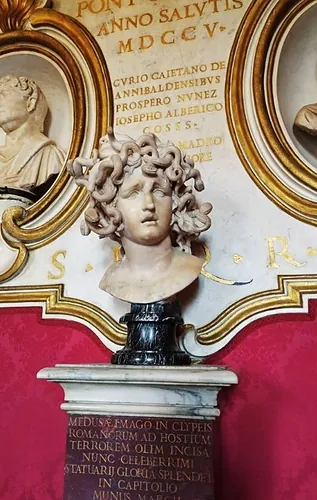
Medusa bust, Capitoline Museums
Marble bust of Medusa with serpent hair, displayed inside the Capitoline Museums in Rome.
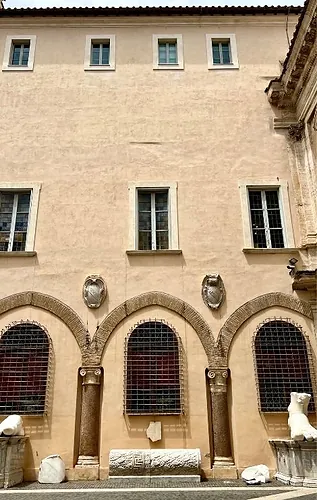
Capitoline Museums courtyard façade
Sunlit façade with arched windows and sculpted medallions in the Capitoline Museums complex.
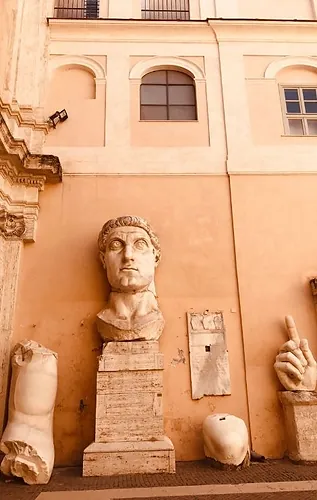
Colossal Head of Constantine.
Fragment of a giant marble statue: Emperor Constantine’s head displayed on an ochre courtyard wall at the Capitoline Museums.
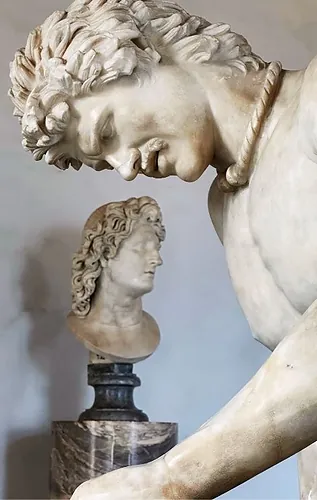
Marble faces, a silent encounter
At the Capitoline Museums, Rome: marble profiles overlap like a quiet conversation across centuries.
Itinerary


Your experience starts at Piazza del Campidoglio, where you’ll meet your tour guide and begin the tour.

Piazza del Campidoglio: You begin within the theatrical harmony of the Capitoline square, shaped by Michelangelo, where Rome’s civic soul feels both monumental and intimate.
Palazzo dei Conservatori: Through courtyards and historic rooms, the collection opens like a first-person narrative—statues, fragments, and testimonies that reveal how Rome crafted its image over centuries.
Bronze and myth: the Capitoline Wolf: A magnetic presence poised between legend and identity. Before the Capitoline Wolf, Rome’s founding story becomes material, and the city seems to recognize its own beginning.
The power of the Roman portrait: Faces of emperors, magistrates, and citizens unfold in stone. These portraits don’t flatter—they declare, turning wrinkles and gazes into a language of public truth.
Palazzo Nuovo: The journey continues through classical balance and enduring masterpieces, where beauty is never decoration but a disciplined way of speaking—proportion, gesture, restraint.
The Marcus Aurelius and the image of rule: Before Marcus Aurelius, authority takes on a quieter tone: philosophical, measured, almost reflective—power presented as responsibility and presence.
Capitoline Pinacoteca: A change of tempo: from marble to color. The Capitoline Pinacoteca offers a dialogue between painting and the city’s memory, as if Rome learns to narrate itself through light.
Important info


Reviews
Know before you go
FAQ
What is included in the tour?
The tour includes skip-the-line entrance tickets and a private licensed guide for two hours.
Where is the meeting point for the tour?
The meeting point is Piazza del Campidoglio. Additional details to recognize your guide will be provided the day before the tour.
How long is the tour?
The tour lasts two hours.
Is the tour private or shared?
The Private Capitoline Museums Tour is designed as a private experience.
How do I get to the Capitoline Museums for the Private Capitoline Museums Tour in Rome?
To reach the meeting point for the Private Capitoline Museums Tour, use Piazza del Campidoglio in Rome as your reference and plan your route with your preferred transport. Pick-up is not included in the tour.
Is the Private Capitoline Museums Tour in Rome accessible for guests with reduced mobility?
Yes. The Capitoline Museums in Rome are wheelchair accessible.Most areas can be visited thanks to ramps, elevators, and stairlifts, with an easier access route via Piazzale Caffarelli for Palazzo Nuovo. To ensure the best assistance and a smooth visit, please let us know in advance if anyone in your group will be using a wheelchair.
Is there a dress code for the tour?
There is no dress code for the Private Capitoline Museums Tour in Rome. We simply recommend comfortable clothing and footwear suitable for a museum visit.
What is the cancellation policy for the Private Capitoline Museums Tour in Rome?
Cancellation terms for the Private Capitoline Museums Tour follow the conditions shown in the booking platform.
Is the Private Capitoline Museums Tour in Rome suitable for children and families?
The Private Capitoline Museums Tour can suit families thanks to a flexible pace; the best experience depends on the group’s interests.
Contact Us
Travelers also loved
view all
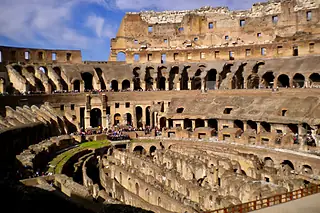
Semi-Private Colosseum Arena Group Experience
Step onto the Colosseum Arena in a small, more intimate group.


Pasta and gelato cooking class in the heart of Rome
Learn, cook, and enjoy Italian culinary traditions!
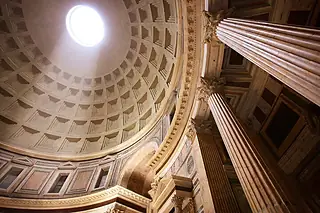
Pantheon Highlights From Ancient Rome to Baroque
Skip the lines and uncover the Pantheon with rich audio insights or guided tour




Trastevere & Jewish Ghetto Food and Wine Experience
Private Trastevere Food Tour in Rome—2-hour walk through Trastevere, Tiber Islan
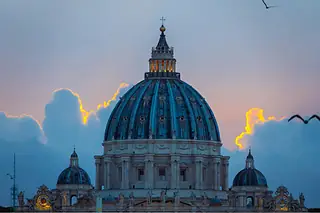
St. Peter’s Basilica & Dome Climb Group Tour
Climb above Vatican City for Rome’s most awe-inspiring sacred views.
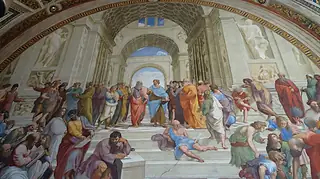
Vatican Museums with Sistine Chapel Small Group Tour
Experience the Vatican Museums in a small group discover their most celebrated m


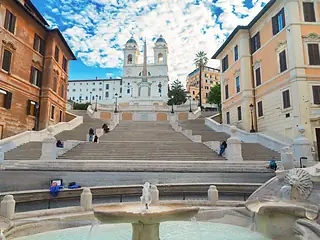
Private Walking Tour of Rome Historic City Center
Private Rome city center walking tour with a licensed guide, discovering Trevi F
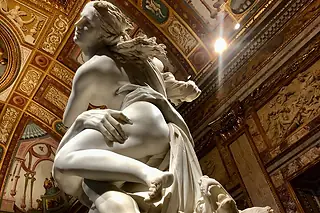
Exclusive Borghese Gallery Private Tour
Experience the enchantment of the Galleria Borghese with a unique, tailor-made p
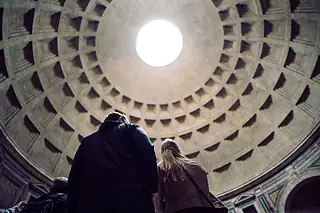
Small group walking tour of Rome with Pantheon guided visit
Admire the icons of the Eternal City!
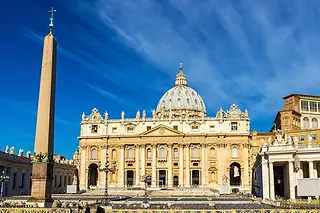
St. Peter's Basilica Skip the Line Semi Private Guided Tour
Enjoy skip‐the‐line access to St. Peter's Basilica, ensuring you spend more time
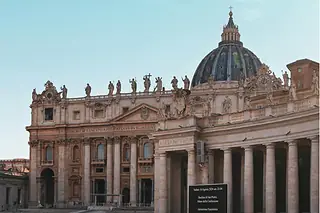
Vatican Museums, St. Peter’s Basilica & Dome Group Tour
See St. Peter’s Dome, Basilica, and Vatican Museums in one visit.
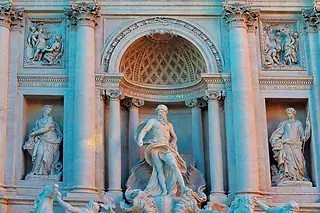
Trevi Fountain Private Tour: Vicus Caprarius and Pantheon
Discover Rome through water, underground wonders, and timeless monuments.
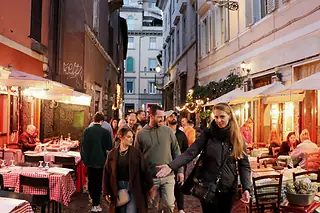
Trastevere Group Food Tour: Taste Rome Like a Local
Savor Trastevere through Roman flavors, local wine, and evening charm.
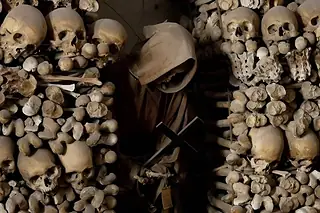
Hidden Rome by Golf Cart: Catacombs, Crypts and Sacred Art
"Hidden Rome by Golf Cart: Catacombs, Crypts and Sacred Art" is a private journe
Papal Audience Experience with St. Peter’s Tour
Encounter the Pope and discover St. Peter's through faith, beauty, and awe.
Colosseum & Roman Forum Small Group Tour
Follow the footsteps of emperors through ruins, stories, and timeless grandeur.
Vatican Museums and Sistine Chapel at Closing Time
Discover the Vatican at dusk with expert insight and fewer crowds.

Borghese Gallery Priority Access Guided Tour
Explore Rome's great masters in a small group, through art, beauty, and stories.
Plan it all with us!


Start your trip stress-free. Reliable airport transfers with trusted drivers who get you where you need to be, right on time.

Discover Rome like a true local. Small-group and private tours designed to reveal the city's soul — from timeless landmarks to hidden corners known only to those who call it home.
Blog
Local insights, practical advice, and inspiring stories to help you experience Rome like a true local.
Free Cancellation
Any cancellation fee depends on the specific tour; see the 'Cancellation policy' for timelines and charges.